SILVICULTURE
Silviculture activity by removal of climber vegetation from the forest structure, such as woody lianas and climbing bamboo is essential to enhance the growth and quality of natural regeneration, and thus improve habitat for wildlife.
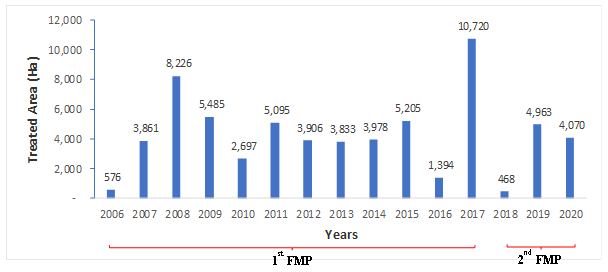
In the first FMP (2008-2017), about 54,000 hectares of forest reserves was silvicultural treated mostly at southern and northern part of Ulu Segama Forest Reserve with support funding from Yayasan Sabah, Projek Perhutanan Masyarakat (PPM) and Heart of Borneo project under the 11th Malaysian Plan (Federal Fund) (Figure 1).
Based on previous study, the climber cutting caused a significant alteration of functional composition to the bird community. This is due to birds or other wildlife such as orangutan rely on fruits produced by vines and shrubs; and vine tangles trap leaf litter, which acts as important foraging substrate for insectivores’ birds and vines provide nesting sites and refuges from predators. Therefore, in this prescription, climber cutting would only be imposed on climbers with the diameter less than 5 cm, since these categories created more harm on the natural forest regeneration and structure. Whilst climbers and woody vines exceeding than 5 cm diameter would became alternative food source and provide shelter to the wildlife, in particular bird community.
In the second FMP (2018 to 2027), target area for silviculture treatment mainly at Bukit Piton Forest Reserve and Malua Forest Reserve totalling about 16,019 hectares.
In 2019, the first batch of silviculture activity under the second FMP has treated about 4,963 ha at the Bukit Piton FR funded via the Forestry Community Project Fund (PPM) and WWF-Malaysia (Table 1/2019, Figure 1/2019, Figure 2/2019 and Figure 3/2019).
Table 1/2019 : Silviculture treatment in 2019
Compartment |
Forest Reserve |
Achievement (Ha) |
Funded by |
49 |
Malua |
290 |
Funded under the 11th Malaysian Plan (Federal) |
50 |
513 |
||
71 |
387 |
||
105 |
Bukit Piton |
490 |
|
106 |
717 |
||
107 |
775 |
||
114 |
326 |
||
115 |
647 |
||
116 |
645 |
||
111 |
25 |
WWF-Malaysia |
|
108 |
148 |
PPM |
|
Total |
|
4,963 |
|
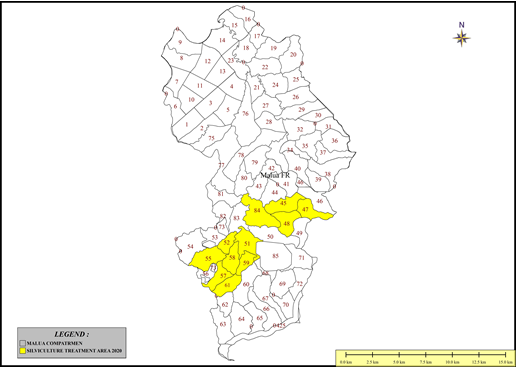
Figure 1/2020: Silviculture treatment at the Malua FR funded under the RMKe11 (Federal)
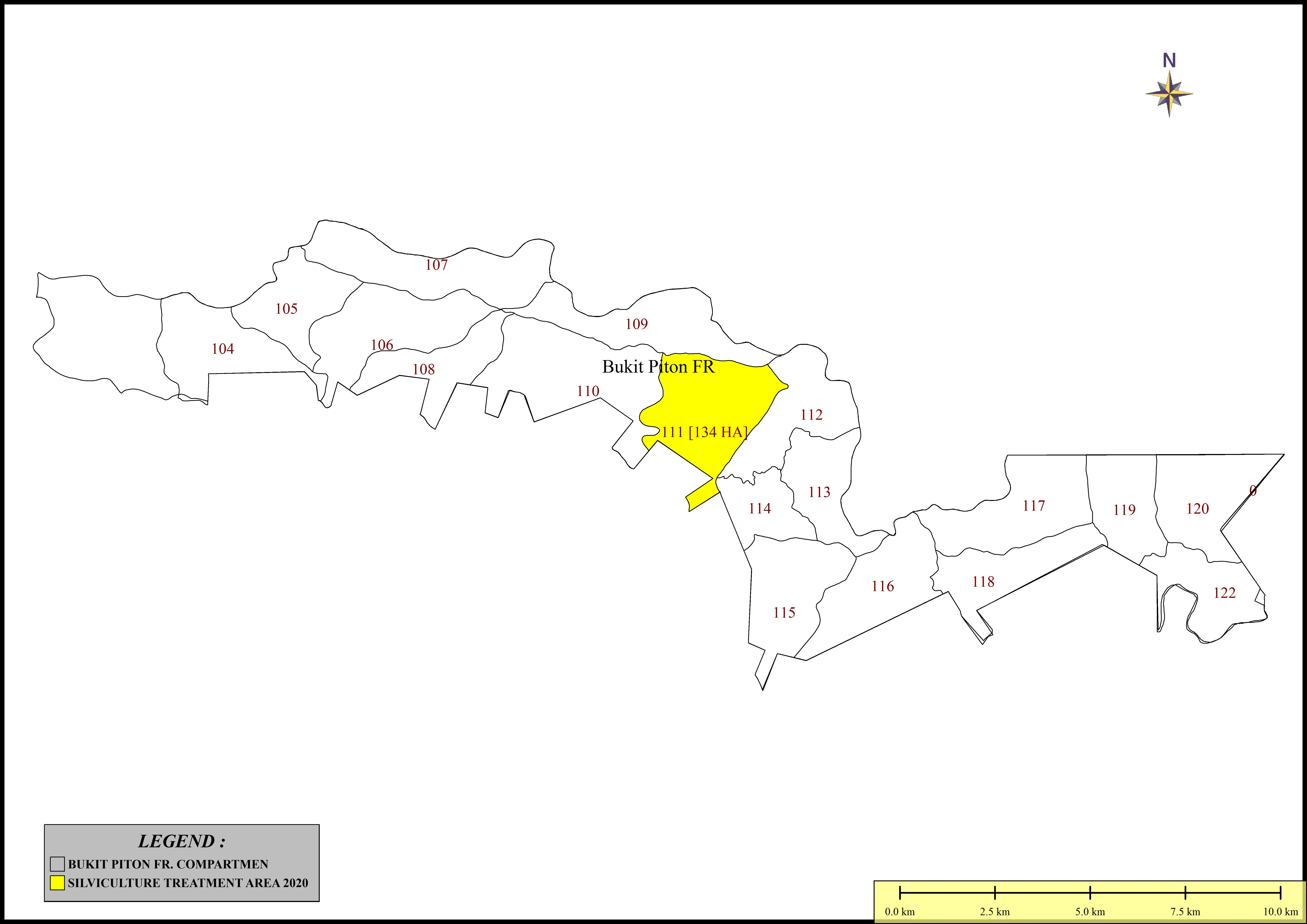
Figure 2/2020: Silviculture treatment at the Bukit Piton FR funded underWWF-Malaysia (CPT.111)
| Before | After |
 |
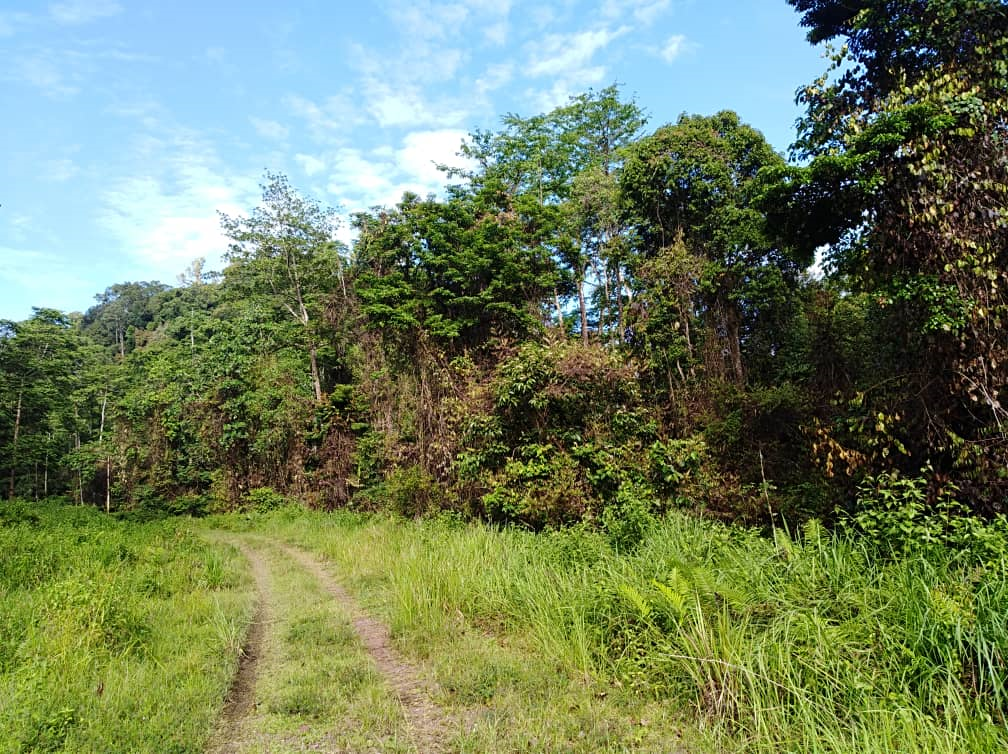 |
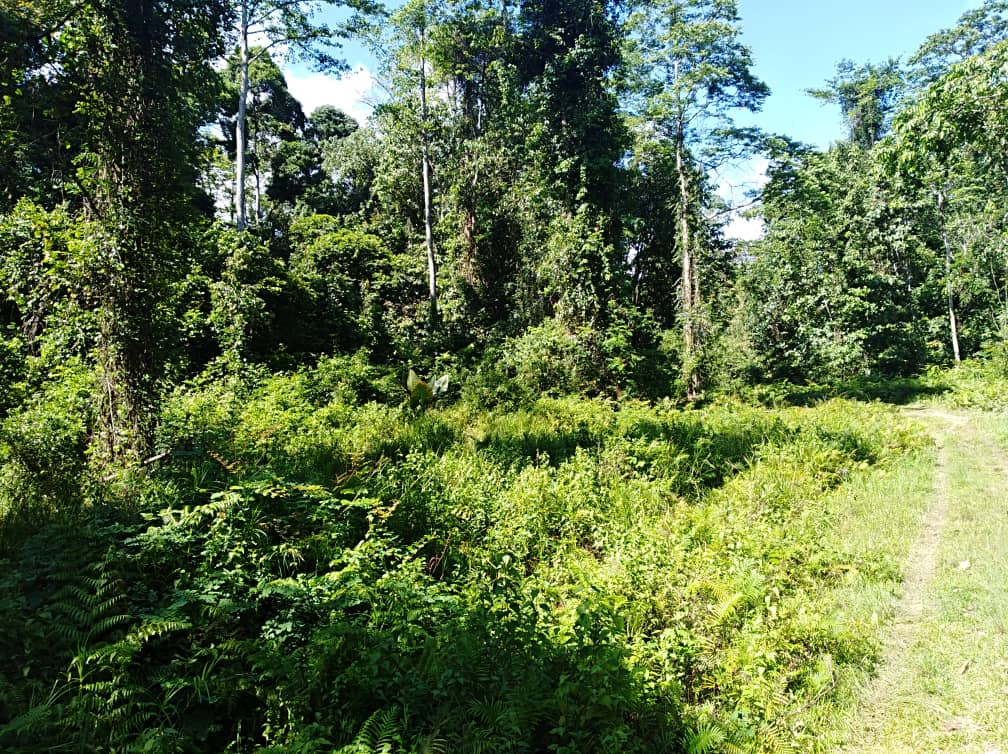
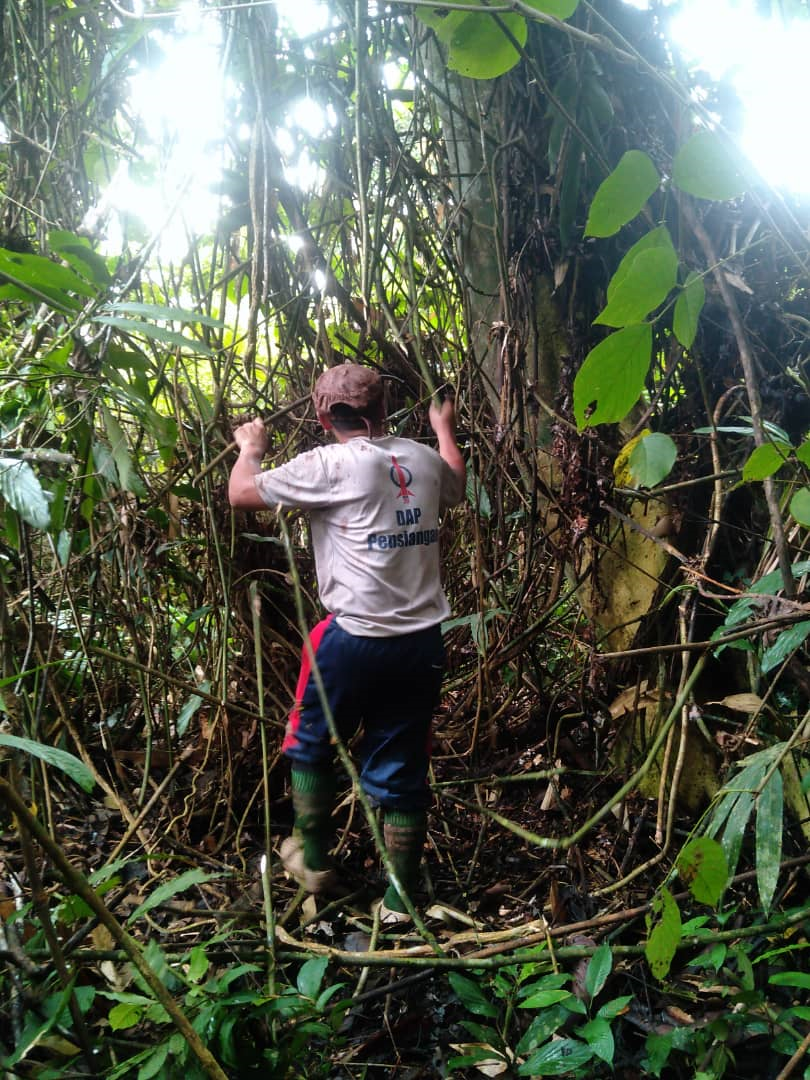
Figure 3/2020: Silviculture treatment at Cpt. 55, Malua Forest Reserve under the RMKe11 Federal Fund |
|
 |
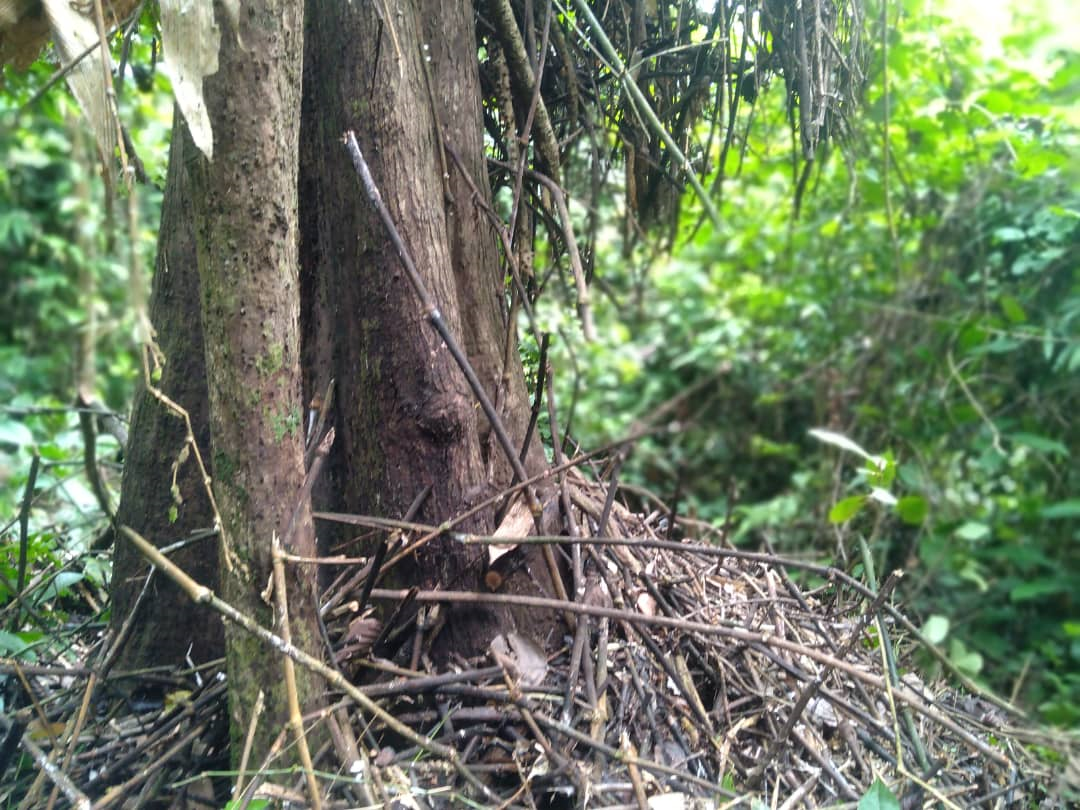 |
Figure 4/2020: Climber cutting done by appointed contractor at the Malua FR (Cpt.55) |
|
 |
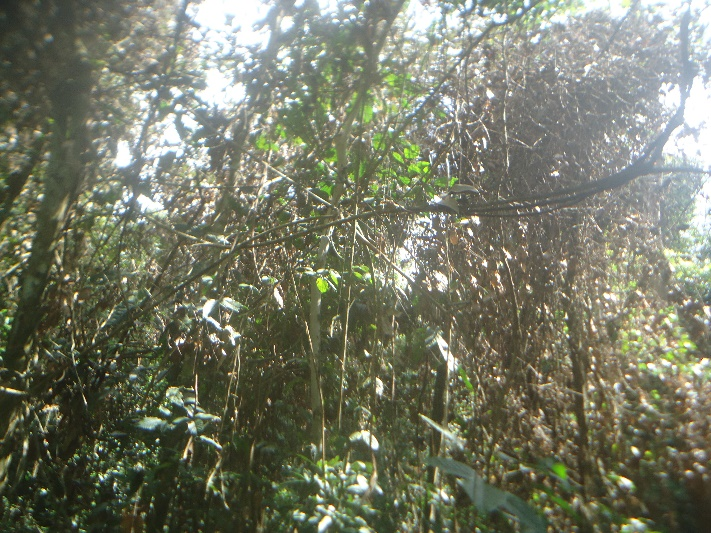 |
Figure 5/2020: Silviculture treatment at Cpt.111 funded under the WWF-Malaysia |
|
|
|
Figure 5/2020: Silviculture treatment at Cpt.111 funded under the WWF-Malaysia |
|
 |
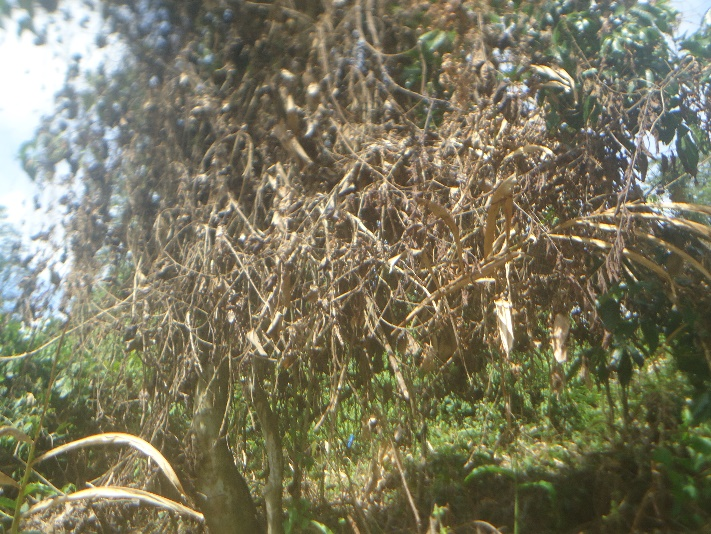 |
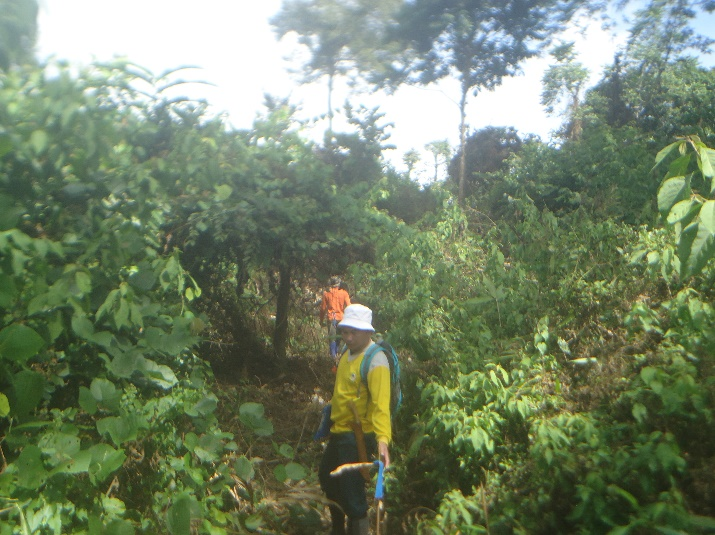
Figure 6/2020: Field Verification on Silviculture treatment by SFD (USM) Supervisor at Cpt.111 funded under the WWF-Malaysia |
|
Silviculture treatment done in the year :
2006, 2007 & 2008 | 2009 & 2010 | 2011 | 2012 | 2013 | 2014 | 2015 | 2016 | 2017 | 2018 | 2019